

The gut and your immune system
“The immune system present in the gut makes more immunological decisions in a day than the rest of the immune system does in a lifetime”. (1)
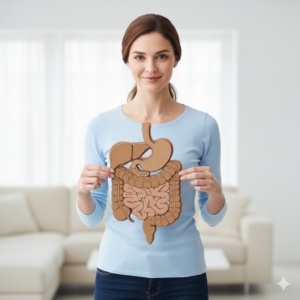
If your immune system isn’t behaving itself properly, you might want to consider that your digestive system is the culprit.
Your digestive system has a special mucosal lining over the surface of your intestines, and the health of your gut flora (the complex, extremely important colony of bacteria within your digestive system, also known as the microbiome) has a huge amount of immune decisions to make on a daily basis – it has to deal with bacteria, viruses and food, and decide each time whether it is a friend or foe.
TLDR:
|
Setting up the gut bugs
The bacteria within your gut are established within the first 20 days of life. If the bacterial colony does not set up adequately, babies can be immune compromised and can be more prone to immune imbalances later on in life, as well as increased inflammation which is largely controlled by our immune cells.
Frequent use of antibiotics can severely impact on the health of your digestive system. In some cases, certain bacteria can never recover after they have been killed by antibiotics (2).
The gut reports to the immune system
There is a special type of cell within the digestive system called a dendritic cell. This cell is responsible for determining whether our immune system should be on high alert or not. Occasionally this cell will extend a little feeler (almost like a tentacle) and take a handful of whatever is in your digestive system to examine, to then report back to the rest of the immune system whether everything is okay or not. This can explain why your diet can have an effect on allergic conditions such as hayfever and eczema, as well as autoimmune conditions (3).
Immune cells in the gut
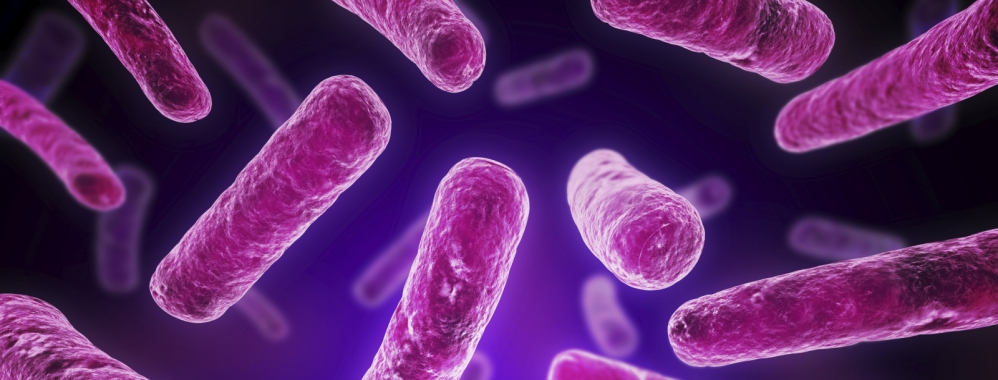
There are also a lot of other players involved in the gut, such as Immunoglobulin A (sIgA) and certain T lymphocytes. sIgA helps to protect the epithelial layer from being inhabited by bacteria and viruses. This helpful immunoglobin is actually produced by lymphocytes (a type of white blood cell) which are actually created by Bifidobacteria (a good bacteria that exists mostly in the colon). Unfortunately, Bifidobacteria are easily damaged, especially by antibiotics.
Enzymes do more than digest food
When you think about digestive enzymes, you’ll probably be thinking that they’re there to break down your food so it’s primed for absorbing. They also have another important role to play, and that’s in breaking down substances that might be harmful to your immune system. Due to poor eating habits, the secretion of enzymes is compromised in a large proportion of people. Implementing habits such as chewing each mouthful more and taking time to enjoy and concentrate on your meal are helpful for stimulating the cephalic phase of digestion – where your brain tells the rest of the digestive system to get ready for food, and consequently more enzymes and acids are produced.
Fix your gut to improve your immunity
By now you are probably realizing that keeping your gut healthy is pretty dang important. In order to achieve this, there are a few strategies that can be implemented, all depending on how bad your gut and immune system is to begin with.
I highly recommend working with a practitioner in this, particularly if you are looking to assess and treat specific microbial imbalances, as it can be a complicated process that may require stool analysis, and some gut infections can take a long time to resolve so it’s helpful having the support of a practitioner.
Balance your gut flora: This process may need to start with a stool analysis to see if you’re lacking in certain beneficial bacteria, or whether you have a unfriendly bug that needs killing off. Depending on where your gut flora is at, you may need to look at using some herbal anti-microbial herbs or oils to kill off the unfriendly bugs, and also replacing the good guys with a probiotic supplement, as well as probiotic and prebiotic foods.
Repair the gut lining: There are plenty of options when it comes to gut healing. Things like slippery elm, the amino acid glutamine and glycine are my favorite tools for repairing the gut lining. Other options that can be helpful include Aloe Vera and Bone broths.
You also need ample supply of protein in your diet, as well as the mineral zinc.
Avoid irritating foods: This can be different for everyone, but some of the most common irritants for gut health include wheat, dairy and processed soy. As frustrating as it is, food intolerances can be developed to anything, so if you’re unsure what you’re intolerant or sensitive to it may be worthwhile completing an elimination diet or a food intolerance test.
Processed foods, sugar, alcohol and coffee can damage the gut lining as well so if gut healing is your goal it’s worthwhile keeping these foods out of the diet, or at least to a minimum.
Minimise stress: Interestingly the state of our gut and our mental health are interconnected (you can read more about this here) so it makes sense that if you are stressed, anxious or adrenally fatigued it is going to impair your gut healing journey.
Yep, stress affects everything in our body, and this includes stress of all forms. So even if your house isn’t on fire or something similarly dramatic, it doesn’t mean you’re not affected by stress. In this day and age there are a lot of pressures and expectations on people, everyone is usually in a rush and we’ve also got less support networks and rituals in place to help us deal with these stresses. On top of that, most people consume a diet that is less abundant in the nutrients that our bodies need to cope with stress, so it’s no wonder that stress has such as huge impact on our health and wellbeing.
Of course everyone deals with stress differently so the degree to which it affects your health will vary, but I recommend that everyone (regardless of whether you’re trying to heal your gut or not) incorporates stress management techniques into their day. This can include exercise, yoga, meditation, mental stillness, leisure time, time spent with friends or family, or journaling.
Works Cited
1. Mayer L. Mucosal Immunity. Pediatrics. 2003 June; 111(3).2. Blaser M. Antibiotic overuse: Stop the killing of beneficial bacteria. Nature. 2011 August; 476.
3. McLean MH, Dieguez Jr D, Miller LM, Young HA. Does the microbiota play a role in the pathogenesis of autoimmune diseases? Gut. 2014 Nov 21.