

Internal Barriers to Weight Loss – Part 2
Losing weight can be a long and frustrating process. Some people can change their diet slightly or do a small amount of exercise and their weight just drops off. However, some people find that no matter how much they exercise they cannot lose weight at the rate they want.
If you are struggling to lose weight with the normal methods, it may be that you have an internal barrier to weight loss. There are several hormonal and chemical issues that can stop you from losing weight more effectively.
In the last newsletter I discussed different hormonal imbalances that can affect your ability to lose weight. If you missed it, click here to read it: Are hormone imbalances affecting your ability to lose weight? In this edition I will be covering some other factors that can impede your efforts as well.
Aciditiy
If the pH (acid-akaline balance) of the body is too acidic, then this can cause problems with weight loss. Ideally our internal pH should be around 6.5 for healthy functioning. pH can be lowered (made acidic) by drinking soft drink or eating acidic foods such as too many grains or meats, or by stress. Your pH can be measured by a simple urine pH test.
Food intolerances
If you have an intolerance to a food and you continue to eat it, this can cause all sorts of problems in the body, due to the way it upsets the immune system, causes stress on the nervous system and increases inflammation.
Most often food intolerances cause digestive problems such as irritable bowel syndrome, diarrhea, constipation, reflux, or bloating. However food intolerances don’t always express the same way in everyone – some people may get mood swings, headaches, skin problems, immune problems, hormone imbalances, fluid retention or aches and pains as a result of eating it.
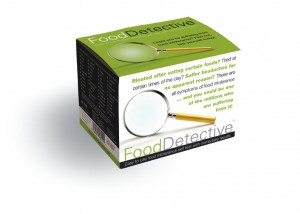 Food intolerances can be difficult to identify because they can cause symptoms up to 48 hours after eating a food, and because the problems they cause aren’t always obviously food related.
Food intolerances are usually caused by the immune system developing an antibody or immune memory to a food, when the protein of the food slips through an enlarged pore in the digestive system and is then taken up by the immune system. The next time you eat that food, the immune system recognizes it as being something foreign, so launches an immune attack.
Eating foods which you are intolerant to will affect normal functioning in the body and can interfere with weight loss. It can also cause bloating and fluid retention, making your feel larger than you are as well. Most people who cut out food intolerances lose some fat mass after a few weeks.
These can be identified by an in clinic test called Food Detective via a finger prick, with the Hair500 test, by a blood test in external laboratories, or with an elimination/challenge diet.
Gut & Liver Toxicity
There are many toxins present in our environment, and some people can have difficulty detoxifying them normally. When we are presented with more toxins than we can process and eliminate, our body will still them in our fat cells. This presents a problem: our body has put these toxins away for a reason – it cannot cope with them, and therefore it will block weight loss until it can effectively detoxify through the gut and liver.
People with gut and liver toxicity may carry weight in a band around the bottom of their rib cage (Naturopaths refer to this as a ‘liver roll’) and they may also experience symptoms such as headaches, fatigue, bad breath, stomach upsets and a foggy mind.
Not only will toxicity cause us to store away fat, but if we have problems with our digestive processes than it makes our weight loss efforts all the more futile. If there isn’t enough stomach acid and enzymes being produced to break down your food for easy absorption, then all the fuel we’re putting into build our muscles doesn’t get used properly. There more muscle you have, the better your metabolism, so if you can’t make enough muscle than it makes fat burning very difficult.
There are many factors which can contribute to this, such as stress, bacterial imbalances, medications, food intolerances and more. The good news is that when this problem is remedied, weight loss happens much more quickly and smoothly.
The degree of digestive toxicity can be tested by a urine test known as Urinary Indicans (first morning sample only) which is performed by your naturopath. A VLA/bio-impedance analysis can also indicate if there may be toxicity present This test is no longer available.
A good detoxification program that supports gut, kidney and liver function will allow your body to release these toxins safely. Most people will lose a few kilos just from detoxifying, and find that weight loss can occur much more easily after the detox is finished as well.
MTHFR
If a person has a particular gene known as MTHFR, they cannot convert folate to its active form in the body folinic acid. This causes an increase in an inflammatory chemical, homocysteine, which can cause several problems such as weight gain that is very difficult to shift, depression, heart disease, clotting problems, and blood sugar levels imbalances.
A cheek swab or blood test can be done to identify if you have this gene present. A blood test to assess for elevated levels of homocysteine could also be done to assess the inflammatory impact of this.
Leptin
Our fat cells produce the hormone leptin which regulates our metabolism and determines how much fat will be stored. Altered levels of leptin can cause problems with food cravings, over eating, hunger and difficulty losing weight. This can be tested by a blood test.
Poor sleep
Is a known risk factor for weight gain, can increase appetite and blood sugar metabolism problems.
Nutritional Deficiencies
Certain nutritional deficiencies can cause a reduction in metabolism and reduce your ability to burn fat, in particular Vitamin D.
Vitamin D deficiency can be identified by a blood test. Your Naturopath may be able to tell you if you are showing signs of mineral or vitamin deficiencies by asking symptoms and with some simple in clinic testing.
Inflammation
People suffering from chronic or systemic inflammation may find it hard to lose weight. This is because the inflammatory process diverts energy into fat cells, causing them to thrive and grow. This can make it very difficult to lose weight! The inflammation might come from an existing health complaint, such as an injury, digestion problem, arthritis, allergies etc, or it may be related to current dietary and lifestyle sources. There are some markers that can be measured by a blood test to assess for inflammation. A VLA/bio-impedance analysis can also indicate if there may be inflammation present.
If you feel like you have one or more of the above issues that is affecting your ability to lose weight, make an appointment to see how we can help you. We will go through your case history and can suggest which factors may be relevant for you, and can discuss your testing options with you. Once we have identified what is happening we can create a treatment plan to naturally and safely address your internal barriers to weight loss.









Pingback: Menus for Diabetics |
Pingback: Questions You Have About Gestational Diabetes Diet Plan |