Getting to the root of Hair Loss
Hair Loss & Hair Thinning: A Naturopathic Approach to Finding the Root Cause
Hair loss can be stressful and deeply upsetting. For many people, changes in their hair affect confidence, identity and self-esteem. In clinic, I often see women in their 30s, 40s and 50s who feel frustrated because their hair suddenly feels thinner, flatter, or is shedding more than usual.
Discovering a solution for hair loss or hair thinning is not always straightforward. Hair is influenced by hormones, nutrient status, stress, gut health, thyroid function, immune balance and more. This is why a quick-fix shampoo or supplement rarely addresses the real cause, and may delay you getting the answers and support you need. Sure, give the hair and nails multi a go if you want to, but if you’re not seeing hints of improvement after a month then you need to knuckle down and start looking at getting some answers.
The good news? With the right assessment and a root-cause approach, improvement is absolutely possible.
First: What Type of Hair Loss Are You Experiencing?
Understanding the pattern of hair loss gives us important clues.
General Thinning
Diffuse thinning across the scalp often suggests:
- Iron deficiency
- Thyroid imbalance
- Hormonal shifts (perimenopause, postpartum)
- Chronic stress
- Telogen effluvium
Patches of Hair Loss
Well-defined bald patches may indicate Alopecia areata. This is an autoimmune condition where the immune system targets hair follicles.
Strand Breaking
If hair is snapping rather than shedding from the root, we look at:
- Protein intake
- Nutrient deficiencies (zinc, biotin, silica)
- Thyroid dysfunction
- Chemical or heat damage
Receding Hairline or Thinning at the Crown
Often associated with:
- Androgenic alopecia
This pattern can affect both men and women and is driven by androgen sensitivity. - This can be impacted by increased tension on hair such as overly tight hairstyles.
Widening Part Line
Common in women 30-50, especially during:
- Perimenopause
- After stopping the pill
- Postpartum
- Periods of chronic stress
Identifying the pattern helps determine what systems we need to investigate.
The Key Nutrients for Healthy Hair Growth
Hair follicles are metabolically active, and so they need adequate nutrients to grow strong, thick strands.
Important nutrients include:
- Iron (Ferritin) – Low ferritin is one of the most common contributors to hair thinning in women.
- Zinc – Essential for hair follicle repair and immune regulation.
- Protein – Hair is made from keratin, a protein structure.
- Biotin & B Vitamins – Support energy production and follicle function.
- Vitamin D – Plays a role in immune balance and follicle cycling.
- Iodine & Selenium – Support thyroid function, involved in hormone balance and glutathione production.
- Essential Fatty Acids – Help maintain scalp health.
It’s important to test rather than guess, supplementing blindly is not ideal.
Hormones and Hair Loss
Hormones are one of the biggest drivers of hair changes, particularly for women aged 30-50.
For Women
Hormonal hair loss may be linked to:
- Oestrogen fluctuations (perimenopause)
- Low progesterone
- Elevated androgens (testosterone, DHT)
- Thyroid dysfunction
- Coming off hormonal contraception
- Postpartum hormone shifts
Artificial hormones that are androgenic (certain contraceptives or medications) can reduce the size of hair follicles over time.
Women may experience thinning along the part line or crown, a classic presentation of Androgenic alopecia.
For Men
Men commonly experience:
- Receding hairline
- Crown thinning
- Genetic androgen sensitivity
While genetics play a role, gut health, inflammation and nutrient status can significantly influence progression. Supporting testosterone metabolism by reducing the dominance of DHT can also be helped with some herbal medicines such as Saw Palmetto, and nutrients.
Stress, HPA Axis Dysfunction & Hair Loss
Chronic stress has a profound impact on hair growth.
When we are under prolonged stress, the HPA axis (hypothalamic-pituitary-adrenal axis) becomes dysregulated, often referred to as “adrenal fatigue.” This impacts cortisol rhythms, thyroid function, and sex hormone balance.
One common result is Telogen effluvium.
This occurs when stress pushes hair follicles into the resting (telogen) phase prematurely. Hair shedding may begin 2–6 months after a stressful event such as illness, trauma, burnout, or major life change.
If you suspect stress is a factor, I explore this deeply in my Beat Burnout eCourse, where we address nervous system regulation and HPA axis recovery.
Autoimmune Causes of Hair Loss
Hair loss can sometimes be immune-driven.
Alopecia areata
Characterised by round bald patches, this condition reflects immune system dysregulation.
When I see this in clinic, we investigate factors such as:
- Gut permeability or dysbiosis
- Inflammatory triggers
- Food sensitivities
- Stress load
- Thyroid antibodies
Supporting immune tolerance and reducing inflammation can help stabilise progression.
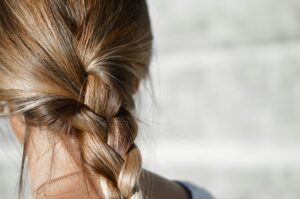
Photo by Tamara Bellis on Unsplash
We Need to Identify the Cause
Hair loss is not a diagnosis, it is a symptom.
Before treatment, we ask:
- Is this hormonal?
- Is there a nutritional deficiency such as low iron?
- Is thyroid function suboptimal?
- Is there autoimmune activity?
- Is stress disrupting the hair cycle?
- Is gut absorption compromised?
This is why personalised assessment is so important. In some cases you may need to be referred to a specialist who can investigate further with a biopsy, however it can be helpful to also start taking a holistic approach with these tests. (Not all of these tests need to be done at once).
What Tests Might Be Helpful?
1. Blood Tests (Starting Point)
I often recommend:
- Iron studies
- Full thyroid panel and thyroid antibodies
- Vitamin D
- B12
- Zinc
- Hormone panel (depending on age and symptoms)
- Autoimmune markers
2. DUTCH Test or ENDOmap
A comprehensive dried urine hormone test can assess:
- Cortisol rhythm
- Oestrogen metabolism
- Progesterone
- Androgen level and metabolism
This is particularly helpful for women in perimenopause or with complex hormonal patterns.
3. HTMA (Hair Tissue Mineral Analysis)
This test can provide insight into:
- Mineral imbalances
- Stress patterns
- Mineral metabolic rate
4. If You’re Not Improving, Look Deeper
The gut influences almost every aspect of health – including hair.
Looking at gut health involves assessing symptoms, history and potentially doing a thorough gut health workout such as with a stool analysis that measures the microbiome, as well as markers of inflammation, intestinal permeability and more.
Poor gut health can impact things like:
- Absorption of nutrients
- Chronic inflammation
- Hormone detoxification (e.g. may contribute to excess DHT, or poor oestrogen clearance)
- Gut-brain interaction
Poor nutrient absorption alone can stall hair regrowth, even if your diet appears adequate.
Types of Hair Loss Explained
For clarity:
- Androgenic alopecia – Gradual thinning due to androgen sensitivity.
- Alopecia areata – Autoimmune-related patchy loss.
- Anagen effluvium – Rapid loss during active growth phase (often due to chemotherapy or radiation).
- Telogen effluvium – Sudden shedding after stress or shock.
Each type requires a different approach.
From a Traditional & Herbal Perspective
In Traditional Chinese Medicine, hair is closely linked to Kidney and Spleen energy. Deficiency patterns may reflect chronic stress depletion.
In Western naturopathic terms, we would often interpret this as HPA axis dysfunction (commonly called adrenal fatigue), where prolonged stress has altered hormone signalling and metabolic resilience.
Supporting nervous system recovery is often a foundational step in treatment.
Apart from addressing the factors I’ve previously mentioned, I will often include the use of herbs that support circulation and hormonal health.
Herbal Hair Rinse Recipes (Supportive, Not Curative)
While internal health is key, topical support can help scalp circulation.
Rosemary Rinse
Rosemary has traditionally been used to stimulate scalp circulation.
How to prepare:
- Steep 2 tbsp dried rosemary in 2 cups boiling water
- Cool and strain
- Use as a final rinse after conditioner
Nettle Rinse
Nettle is rich in minerals and supportive for scalp health. Prepare the same way as rosemary and apply 2–3 times weekly.
How Long Does It Take to See Improvement?
Hair growth is slow, so patience is essential.
General timelines:
- Reduced shedding: 6-8 weeks
- Baby hairs visible: 3-4 months
- Noticeable thickening: 6-9 months
- Full cycle improvement: ~12 months
Hair follicles cycle slowly. Sustainable improvement comes from addressing the underlying cause, not masking symptoms.
Frequently Asked Questions
What is the most common cause of hair loss in women 30-50?
Hormonal shifts (perimenopause), low iron, thyroid dysfunction, and chronic stress are the most common contributors.
Can stress really cause hair loss?
Yes. Chronic stress can trigger Telogen effluvium by pushing hair into the resting phase prematurely.
Should I take a hair supplement?
If your hair loss is severe I don’t recommend starting without testing. Hair supplements can help, but only if they address your specific deficiency. Many people may notice an improvement from taking the generic hair loss supplements but it can be worthwhile to investigate first.
Can hair grow back after thinning?
In many cases, yes – particularly if follicles are still active. Early intervention improves outcomes.
When to Seek Support
If you’ve noticed:
- Ongoing shedding for more than 3 months
- A widening part line
- Patchy bald areas
- Hair thinning after illness or stress
- Hair changes during perimenopause
It’s time to investigate properly.
We take a root-cause, evidence-informed approach to hair loss and thinning. We combine functional testing, hormone assessment, nutrient optimisation and nervous system support to create personalised treatment plans.
Book a consultation in person or via telehealth if you’d like guidance tailored to your unique presentation. The sooner we investigate, the sooner we can support regrowth.