How to find a good Naturopath
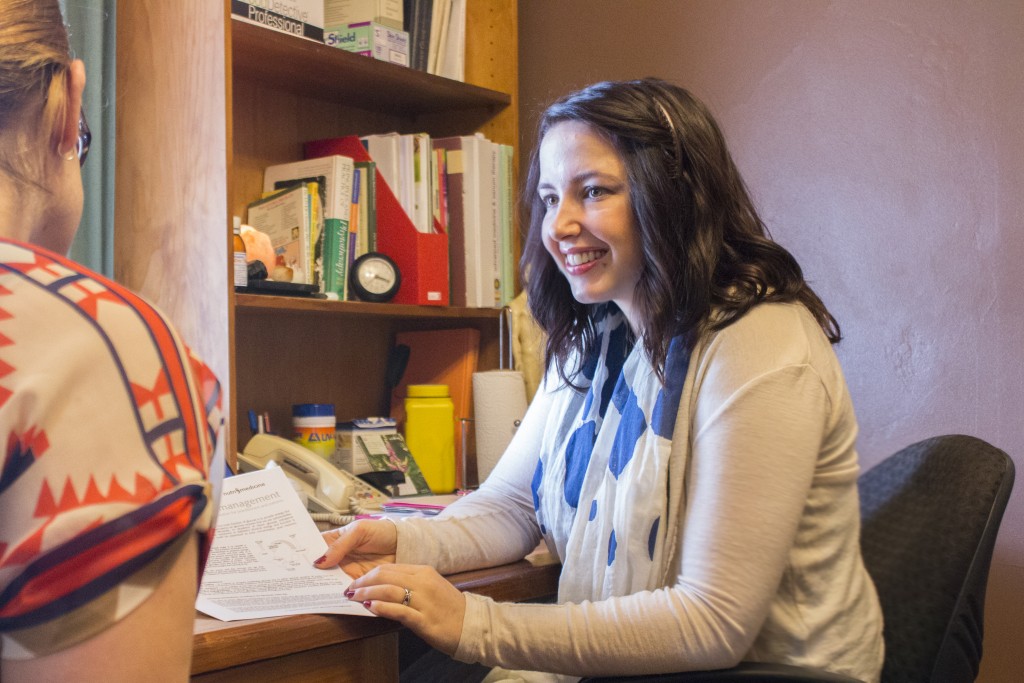
Natural therapies have a lot to offer, and if prescribed by a properly trained practitioner can be effective and safe.
In Australia, Naturopathy is still an unregistered profession. This means that anyone can put up a shingle and call themselves a Naturopath, whether they’ve done a four year university course, a bargain one week online course or nothing at all. It’s a scary thought, because this means the public is left unprotected.
Many Naturopaths are fighting for registration, however until this happens there are some ways that you can protect yourself.
Associations
So how do you know whether the Naturopath you are considering seeing is properly educated? Associations such as NHAA, ATMS, and ANTA have a minimum education and strict criteria for the courses they accept graduates from , so check whether your practitioner is registered with at least one association.
Association membership requires up to date first aid, for the practitioner to be insured and for them to accrue a certain amount of CPE (continuing professional education) points each year.
Some associations cover more than one modality so it’s also worthwhile checking that they are actually covered for what they say.
If you have a disability, you may consult your NDIS support coordination provider to connect you to the nearest Naturopath in their network. They will also help check whether your NDIS fund could cover the cost of consultations and other expenses.
Keeping you safe
A properly trained Naturopath is taught certain skills and behaviours that distinguish them from the self-taught therapists.
- They should know how to analyse research and put it in context of other learnings in order to decide whether and how to apply it to their practice.
- They are experienced enough to discern diet fads from genuine diet wisdom, and not to be sucked in to flashy product marketing.
- They know their scope of practice – referring to other health care practitioners when necessary and not over promising on their abilities.
- They will be willing to communicate with your other health care practitioners.
- They know how to check for interactions between what they prescribe and what you are already taking.
Tools of the Trade
Many naturopaths will use herbal medicine and nutrition as the core of their treatment, along with lifestyle advice. There can be a bit of a difference between the style of their practice, some using drop dose herbal medicine, and some using larger doses; some practice other types of modalities such as homoeopathy, bush/bach flowers, massage, reiki or iridology. It’s your choice as to what you feel you will respond to best, so ask your practitioner what they practice or check their website where they may already describe what they do.
If you were wondering, I use herbal medicine with British Herbal Pharmacopoeia doses, nutrition (based around wholefoods and mindful eating) and massage.
Condition focus
Some practitioners have conditions that they are more experienced and interested in treating, so it is worthwhile looking for a practitioner that focuses on the condition that you are experiencing (if possible). Alternatively, ask the practitioner about their experience and knowledge of your condition/health concern.
[fb_button]






Good article. There is another article bout why you should talk to a naturopath https://www.superpharmacy.com.au/blog/why-talk-to-a-naturopath
Pingback: Private Health Care Rebates due to be axed for Natural Therapies • Alison Mitchell Naturopath | Alison Mitchell Naturopath